 Main Number
 Find us on
 Reach us @
A concrete batching plant is only as effective as the production system built around it. Rated output matters, but consistent production also depends on how material storage, weighing, mixing, controls and site logistics work together. Treating the plant as a standalone machine can leave important operating requirements out of early planning.
Choosing a system involves more than setting a target output. Production schedules, project duration, available space and the likelihood of relocation all affect whether a stationary or mobile configuration is a better fit. This guide explains how plant components coordinate, how the two configurations differ and what to include in a project brief.
It also covers automation, data management and cement storage infrastructure as planning considerations. GPE Group designs and manufactures concrete batching plants engineered in Germany, with custom capacities from 30 m³/h to 400 m³/h. Use the guidance below to connect production needs with site and lifecycle considerations before defining a plant solution.
Key Takeaways
- Understand how a concrete batching plant coordinates materials and production as a complete operating system.
- Compare stationary and mobile configurations against site conditions, relocation needs and operating patterns.
- Use expected output, production schedules and concrete mix requirements to shape a clear project brief.
- Plan plant configuration alongside related cement storage infrastructure where it is needed for the operation.
- GPE Group designs stationary and mobile plants with custom capacities from 30 m³/h to 400 m³/h.
What Is a Concrete Batching Plant, and What Role Does It Serve?
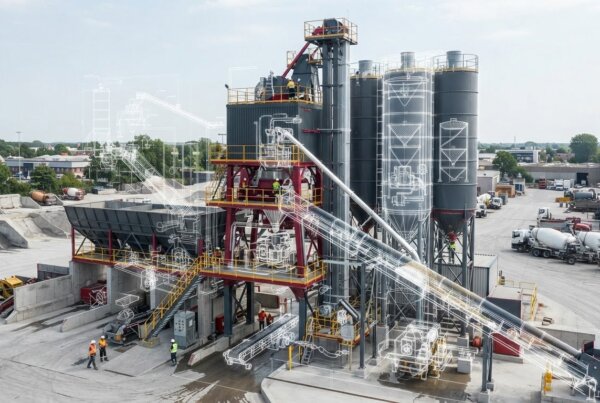
A concrete batching plant measures and combines cement, aggregates, water and, where specified, admixtures to produce concrete batches. It brings material inputs together in a controlled sequence so production can follow defined mix requirements and planned output needs.
The plant is production equipment, not the concrete itself. A batching plant produces batches; ready-mix supply and delivery are separate activities. This distinction helps project teams define the operation’s scope, responsibilities and infrastructure requirements. For a foundational overview of plant types and typical equipment, see Concrete plant.
The Plant’s Role in Concrete Production
Measuring inputs against specified proportions supports repeatable batching. Cement, aggregates, water and admixtures are common material categories, but their quantities and combinations depend on the concrete specification and project requirements. The plant provides the production framework; it does not determine a universal recipe. Define the required concrete properties and mixes before setting the operating plan.
Batching also connects production planning with the flow of materials through an operation. A defined sequence gives the production team a basis for scheduling batches around project demand. Repeatable processes support consistent execution, while results still depend on the specified mix and how the complete operation is managed.
Where Batching Plants Fit in an Operation
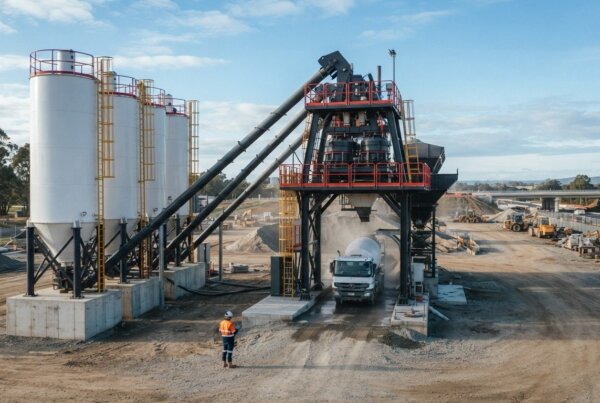
Batching plants support concrete production for construction and infrastructure projects. Output requirements and site conditions shape the system, which may connect with material storage and transfer infrastructure. Cement silos and cement terminal systems can form part of that wider setup when they suit the project, but they are not automatically part of every batching plant configuration.
Consider the plant in context: where materials are stored, how they reach production and how batches fit the operating schedule. These interfaces influence the wider system design and should be considered alongside plant selection.
The next step is to understand how the production sequence connects these functions. The guide How Does a Concrete Batching Plant Work examines how material handling and batching stages coordinate within the system.
How a Concrete Batching Plant Coordinates Materials and Production
Batch production depends on connected material movements, not isolated equipment operating independently. Storage, transfer, measurement and mixing must align with batch instructions so that materials reach production in the intended order and proportions. The exact arrangement depends on the project and plant configuration.
From Material Storage to Batch Preparation
Production begins with materials held in appropriate storage areas. Aggregates, cement, water and admixtures move towards batching through the plant’s material-handling system. The route and transfer method depend on the design. Each material must reach the point where it can be measured for the specified mix.
During batching, materials are weighed or otherwise proportioned according to the mix instructions. For example, a batch may require specified amounts of aggregate, cement and water, with admixtures included where the mix calls for them. Proportions vary with the concrete specification and project needs. Documenting these requirements helps determine how the plant should handle and coordinate its inputs.
Controls, Mixing and Production Flow
Controls coordinate the operating sequence, including material feed, measurement and the transition to mixing. A programmable logic controller (PLC) is a common industrial control concept for managing programmed operations and operator inputs. Its role depends on the selected configuration and automation requirements, so do not assume that every project needs the same control arrangement.
Mixing brings measured materials together before the batch moves through the production flow. Each stage relies on the one before it, so a change or interruption in the sequence can affect material movement and scheduling. When planning the workflow, consider how operators interact with controls and how automation fits the operation.
For an explanation of individual stages and equipment mechanics, How Does a Concrete Batching Plant Work examines the process in greater detail. For industry context on plant component ratings, consult the Concrete Plant Manufacturers Bureau. GPE Group engineers concrete batching plants around project-specific production and operating needs.
Stationary or Mobile Concrete Batching Plant: Compare the Operating Fit
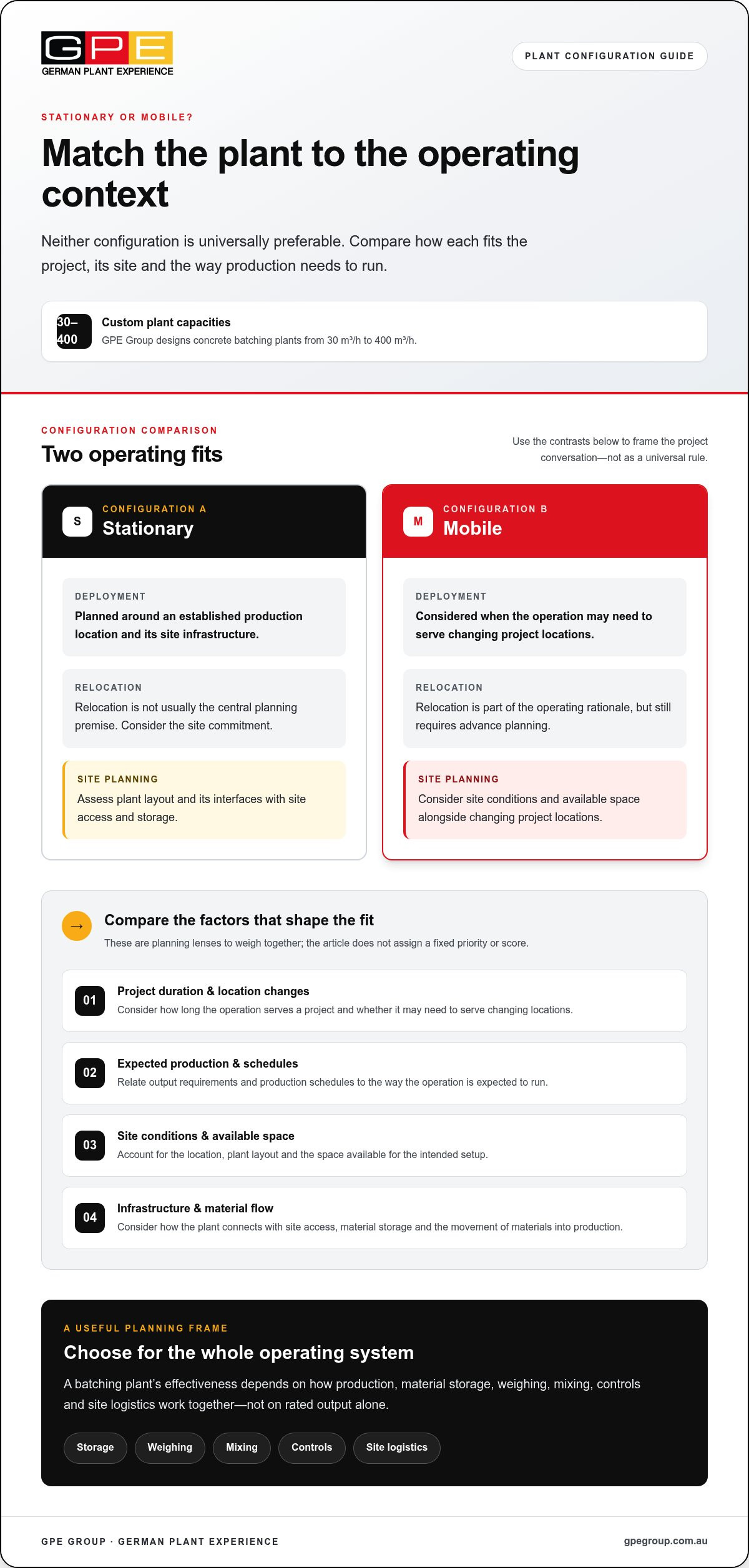
Choose between stationary and mobile configurations by considering how the plant needs to serve the operation over time. Project duration, expected production, site changes and infrastructure needs all matter. Neither option is universally preferable. The right arrangement is the one that fits the project’s operating context.
| Consideration | Stationary Configuration | Mobile Configuration |
|---|---|---|
| Deployment | Planned around an established production location and its site infrastructure. | Considered when the operation may need to serve changing project locations. |
| Relocation | Relocation is not usually the central planning premise, so consider the site commitment. | Relocation is part of the operating rationale, but still requires advance planning. |
| Site planning | Assess the plant layout and its interfaces with site access, storage and material movement. | Assess available space, the deployment sequence and material flow at each intended location. |
| Operational continuity | May fit sustained production at a consistent site. | May suit operations where production needs move with project activity. |
When a Stationary Plant May Suit the Project
A stationary arrangement may suit an operation centred on an established site and sustained production. Planning can focus on integrating the plant with site infrastructure, including material storage, access and transfer routes. These factors determine how the plant fits the wider operation. Do not assume a stationary configuration is more efficient or economical without assessing the project’s requirements.
When a Mobile Plant May Suit the Project
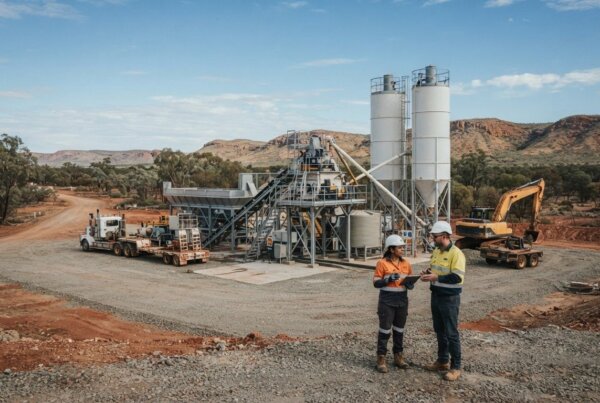
A mobile arrangement may fit an operation where production locations can change or relocation is important. Mobility does not eliminate planning: each deployment still needs to account for site layout, material supply and the intended production pattern. The Mobile Concrete Batching Plant Guide provides further deployment detail.
For a fuller comparison, see Mobile vs Stationary Batching Plant: Operational Comparison. Assess where production will take place, how long the plant is expected to serve each site and whether requirements may change. GPE Group designs stationary and mobile plants around project-specific operating needs, connecting the configuration decision with the wider production brief.
How to Define Concrete Batching Plant Requirements Before Specification
A clear project brief connects production demand with site conditions and the systems that must work alongside the plant. Document these requirements before settling on a configuration or capacity. This gives engineering decisions a defined operational basis.
- Define expected output and demand. Estimate the volume of concrete required over the relevant production period. Include anticipated peaks and the schedule for each project stage. Separate the target production rate from the amount expected across a shift or day.
- Describe the operating pattern. Record planned operating hours, production frequency and how demand may change during the project. Note whether production will remain at one established site or serve locations that may change, as this can influence the choice between stationary and mobile configurations.
- Set the concrete mix requirements. Identify the mix types and specifications the operation needs, including material categories and any admixtures relevant to those mixes. The required range of mixes can affect system planning. The Concrete Batching Plant Capacity Selection Guide offers further guidance on capacity assessment.
- Assess the site and access. Document the available footprint, access routes, site layout and any fixed or changing conditions that could affect plant placement and material movement. Record constraints early rather than treating layout as a final adjustment. The Batching Plant Layout Design Guide provides further layout guidance.
- Map material supply and storage. Describe how aggregates, cement, water and admixtures will reach production, and identify the storage arrangements needed to support the operating plan. Cement silos or terminal systems may form part of the wider project infrastructure, depending on material supply and integration requirements.
- Identify system interfaces and approval inputs. Note how the plant must connect with aggregate handling, cement storage and downstream operations, including relevant data or control interfaces. Identify applicable Australian standards and project approval requirements for verification with the responsible project and regulatory parties. Requirements can vary by site.
Once documented, these inputs provide a basis for configuration and capacity planning. GPE Group designs project-specific batching plant solutions that bring production needs, site conditions and system integration considerations into the project brief.
GPE Group Concrete Batching Plants: From Project Brief to Tailored System
A project brief is most useful when it connects production demand to the realities of the operating site. GPE Group designs and manufactures stationary and mobile concrete batching plants engineered in Germany, with custom production capacities from 30 m³/h to 400 m³/h. The capacity range supports project-specific planning; it is not a set of models assigned to particular applications.
A Tailored Capacity and Configuration Range
Capacity selection should reflect the required production rate, operating pattern and concrete mixes the plant must produce. Site conditions and the need for a stationary or mobile arrangement also inform configuration. Considering these factors together helps define a plant around the operation rather than treating rated capacity as the only specification criterion.
GPE Group’s plants have custom capacities from 30 m³/h to 400 m³/h. The appropriate capacity within that range depends on the project’s production needs and operating conditions. A well-formed brief gives engineering decisions a clear foundation by documenting demand, schedules, site constraints and material supply arrangements.
Project-Based Engineering and Next Steps
With those inputs established, the project team can define how the plant should fit the site and coordinate with the wider production system. This may include interfaces for aggregate handling and cement supply, as well as requirements for the operating sequence. Cement silos and cement terminal systems can be incorporated as related infrastructure when they form part of the project scope.
GPE Group’s stationary and mobile solutions are tailored to project and site needs. Defining the configuration means considering production expectations alongside the physical and operational context in which the plant will work. This approach supports a more complete specification and brings key decisions into view before detailed plant planning.
To discuss a project-specific concrete batching plant solution, contact GPE Group about your project requirements.
Turn Your Project Brief Into a Defined Plant Solution
Selecting a concrete batching plant starts with understanding the production system as a whole. Output expectations, operating patterns, mix requirements, site conditions and material interfaces all shape the specification. Stationary and mobile configurations each have a role, and their suitability depends on how the plant needs to support the project over time.
A structured brief connects these requirements to capacity and configuration decisions. GPE Group’s stationary and mobile plants are engineered in Germany and tailored to project requirements, with custom capacities from 30 m³/h to 400 m³/h. This provides a basis for discussing production needs alongside site and system integration considerations.
With your key requirements defined, take the next step towards a project-specific solution. Discuss your concrete batching plant requirements with GPE Group.
Frequently Asked Questions
What does a concrete batching plant do?
A concrete batching plant measures and combines materials in specified proportions to produce concrete batches. Typical inputs include cement, aggregates and water, with admixtures used where the mix requires them. The plant coordinates material handling, weighing and mixing according to batch instructions. Recipes depend on the concrete specification and project requirements, so the plant supports planned production rather than determining one universal mix.
What are the main types of concrete batching plants?
The main configuration types are stationary and mobile, distinguished by their intended deployment and operating context. Plants may also be described by their mixing approach, such as wet-batch systems, where materials are mixed at the plant, or dry-batch systems, where mixing occurs downstream. These classifications describe different aspects of a plant. The suitable configuration depends on production needs, site conditions and how concrete will be produced for the project.
How do I choose the right concrete batching plant capacity?
Assess expected production demand, operating schedule, project duration and the mix requirements the plant must serve. Consider both the required production rate and anticipated demand over the operating period, rather than selecting by peak output alone. GPE Group designs stationary and mobile plants with custom production capacities from 30 m³/h to 400 m³/h. The suitable capacity within that range depends on the project’s production and operating requirements.
What is the difference between a mobile and stationary batching plant?
A stationary plant is planned around an established production site, while a mobile plant is designed for projects where relocation or changing site requirements matter. Stationary configurations may suit sustained operations at a consistent location; mobile configurations may suit work that shifts between locations. Both require site and material-flow planning. The choice depends on project duration, site access, expected production and the operation’s need for continuity or relocation.
What information is needed to specify a concrete batching plant?
Prepare a brief covering expected output, operating hours and production patterns, required concrete mixes and project duration. Include the site footprint and access, whether the location is fixed or may change, and how cement, aggregates, water and admixtures will be supplied and stored. Identify interfaces with material handling and downstream operations. Include applicable Australian standards and project approval requirements for verification as part of project planning.
Can a concrete batching plant be customised for a project?
Yes. GPE Group designs stationary and mobile batching plants engineered in Germany and tailored to project and site requirements. The project brief informs capacity and configuration decisions, including production expectations, operating patterns, mix requirements and site constraints. Custom production capacities range from 30 m³/h to 400 m³/h. Capacity selection within that range is project-specific and should reflect the operation’s requirements.
Does a concrete batching plant include cement storage?
Not necessarily. Cement storage is related infrastructure that can be planned alongside a batching plant, but it is not automatically included in every plant configuration. Storage requirements depend on the project’s material supply and operating arrangements. GPE Group also designs cement silos and cement terminal systems, which can be considered where they suit the project scope and plant integration requirements.